


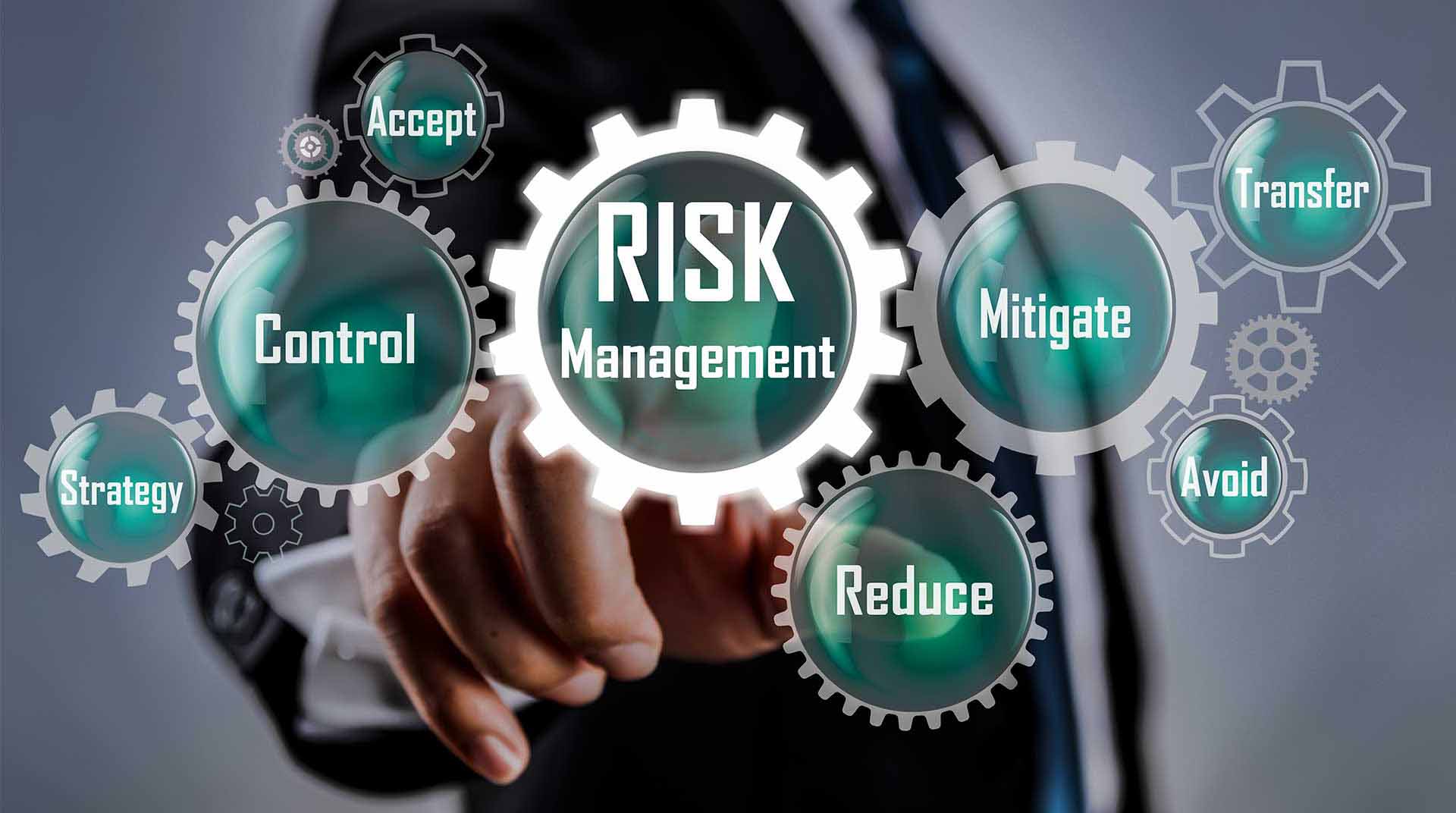
Risk Management Strategies for Oil & Gas Projects
INTRODUCTION
In the oil and gas industry, project success depends on effectively identifying, assessing, and managing risks across every stage of the project lifecycle. From exploration to decommissioning, operational and commercial uncertainties can impact safety, cost, schedule, and performance.
The *Risk Management Strategies for Oil & Gas Projects* programme equips participants with the essential skills to design and implement a robust risk management framework. The course blends technical, commercial, and behavioural aspects of risk, covering proven methodologies, industry best practices, and case studies from high-profile oil and gas projects.
Participants will gain hands-on experience in risk identification, qualitative and quantitative analysis, response planning, monitoring, and reporting, while also exploring the “human side” of risk – perception, decision-making, and organisational culture.
This training course will highlight:
* The unique nature of project risk in the oil and gas sector
* Best-practice risk identification, assessment, and mitigation techniques
* Stage-gated project processes and their impact on risk dynamics
* Industry-specific tools such as HAZID, HAZOP, MAR, LOPA, and Bow-Tie analysis
* Quantitative methods including sensitivity analysis and Monte Carlo simulation
* Lessons learned from global oil and gas megaprojects
OBJECTIVES
By the end of this course, participants will be able to:
* Develop a risk management process tailored to oil and gas projects
* Understand key roles, responsibilities, and activities in risk management
* Apply appropriate tools and techniques to optimise project risk control
* Manage risks effectively through stage-gated project frameworks
* Assess and address the human factors influencing risk perception
* Apply lessons learned from industry experience to improve future projects
TRAINING METHODOLOGY
The programme uses a **blended learning approach** that combines:
* Instructor-led presentations using real industry case studies
* Practical exercises in qualitative and quantitative risk analysis
* Group discussions and scenario-based problem solving
* Risk simulation tools and modelling demonstrations
* Interactive Q\&A sessions to address participant challenges
ORGANISATIONAL IMPACT
Organisations will benefit from:
* Stronger capability in managing project uncertainty
* Improved decision-making in complex and high-stakes environments
* Reduced exposure to operational, commercial, and reputational risks
* Better integration of risk management into project governance frameworks
PERSONAL IMPACT
Participants will:
* Build competence in industry-recognised risk management techniques
* Gain confidence in analysing, prioritising, and mitigating risks
* Strengthen strategic thinking for project planning and execution
* Enhance professional credibility in risk leadership roles
WHO SHOULD ATTEND?
This course is ideal for:
* Project managers and engineers in upstream, midstream, and downstream sectors
* Risk managers and HSE professionals
* Operations and asset managers
* Commercial, finance, and contract specialists in the energy sector
* Regulators, consultants, and advisors in oil and gas projects
COURSE OUTLINE
DAY 1: Fundamentals of Project Risk in Oil & Gas
* Defining risk and its dual nature: threats and opportunities
* Business, operational, and project risks
* The risk management process
* Planning risk management effectively
DAY 2: Roles, Responsibilities & Risk Identification
* Key risk management roles in oil and gas projects
* Good practices across the sector
* Oil and gas-specific risk identification techniques
* MAR, LOPA, HAZID, HAZOP, and Bow-Tie methodology
* Risk Breakdown Structure (RBS) and categorisation
DAY 3: Risk Analysis Techniques
* Qualitative, semi-quantitative, and quantitative assessments
* Organisational/business vs safety/environmental impact
* Sensitivity analysis and expected monetary value
* Modelling with Monte Carlo simulation
* Considering human perception, past experience, and external factors
DAY 4: Risk Response Planning & Implementation
* Prioritising risks
* Selecting and evaluating risk response strategies
* Action plan development and approval
* Monitoring risks with variance/trend analysis and earned value management
* Good practices in executing risk responses
DAY 5: Reporting, Communication & Lessons Learned
* Risk reporting and escalation
* Reserve analysis and embedding the process
* Capturing and applying lessons learned
* Key takeaways from industry megaprojects
* Implementing improvements in your organisation
CERTIFICATES
On successful completion, delegates will receive:
* A **KELeaders Certificate of Completion**
* **CPD Certification** (1 CPE credit per 50 minutes of training)
* A personalised CPD certificate meeting international CPD standards
Enquiries and Registration
Enquiry at : admin@keleaders.com
Whatsapp: 0044 790 125 9494
For more details visit our website : www.keleaders.com