


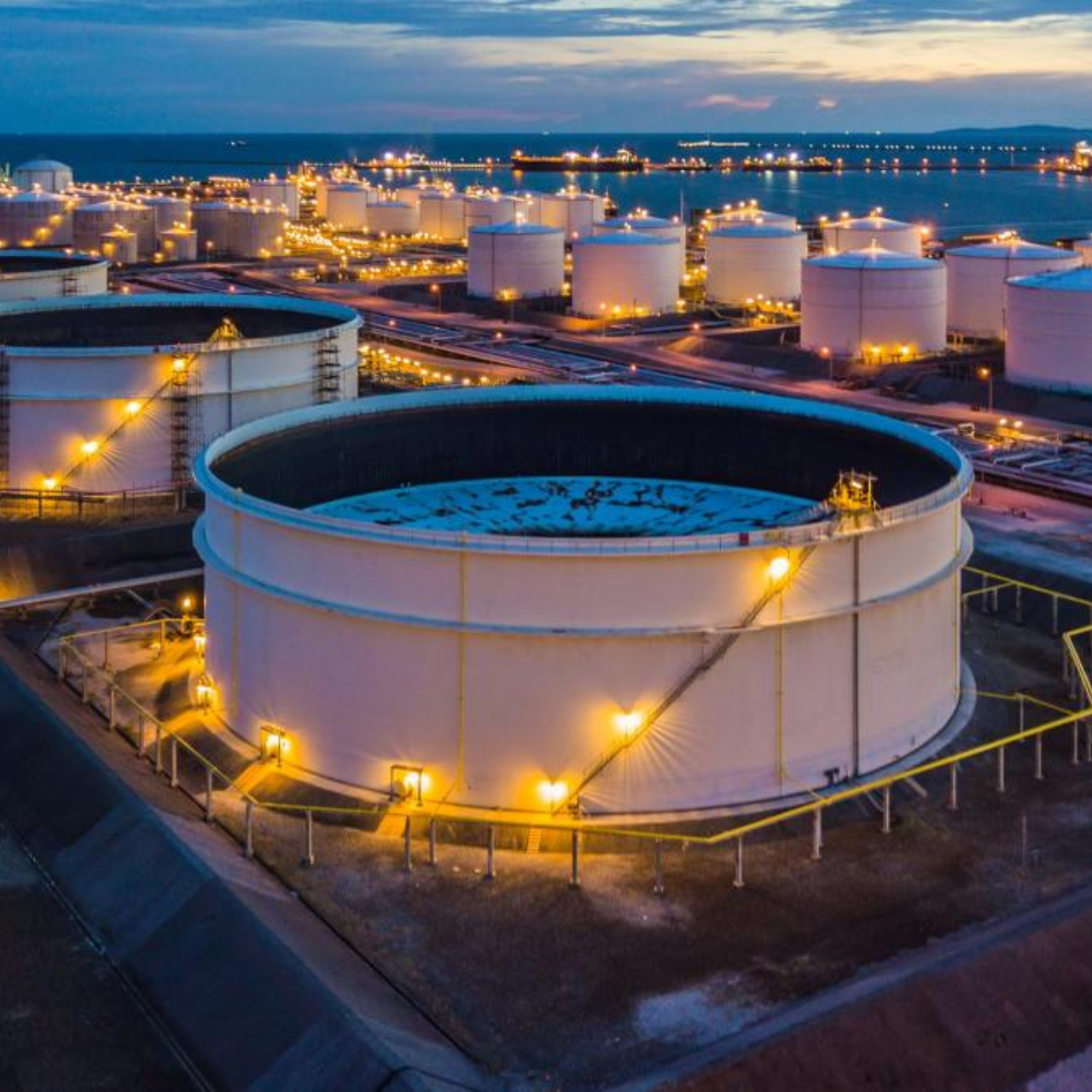
Natural Gas Business Management and Policy
INTRODUCTION
The natural gas industry is a critical driver of the global energy economy, powering industrial growth, electricity generation, and international trade. As the world transitions toward cleaner energy, natural gas plays a vital role as both a primary fuel source and a bridge to renewable technologies.
Managing the natural gas value chain — from exploration to processing, transportation, and market distribution — requires a deep understanding of complex operations, high-value capital projects, global market dynamics, and evolving regulatory frameworks.
The *Natural Gas Business Management and Policy* programme provides participants with a comprehensive understanding of the industry’s technical, commercial, and policy aspects. Designed for functional managers, engineers, economists, and decision-makers, this course equips delegates with the skills to evaluate investment opportunities, manage operations effectively, and navigate policy and regulatory challenges in the global gas sector.
This training course will highlight:
* The complete hydrocarbon gas value chain, from exploration to end-user delivery
* Commercial and economic considerations of the natural gas industry
* LNG production, shipping, and regasification processes
* Global gas supply, demand, and market trends
* Policy, regulation, and ownership structures affecting the gas business
* Evaluation methods for gas industry investments
OBJECTIVES
By the end of this course, participants will be able to:
* Understand the origins, production, and processing of natural gas
* Evaluate operational and economic drivers across the gas value chain
* Analyse LNG projects, GTL technologies, and other emerging processes
* Assess global market trends and supply-demand forecasts
* Navigate regulatory frameworks and ownership structures in different jurisdictions
* Apply economic evaluation tools to assess gas industry opportunities
TRAINING METHODOLOGY
The programme uses a **blended learning approach** combining:
* Instructor-led lectures with real-world industry examples
* Group discussions and collaborative exercises
* Case studies on major gas projects and market developments
* Practical exercises in economic evaluation and decision-making
* Q\&A sessions for interactive learning
ORGANISATIONAL IMPACT
Organisations will benefit from:
* Enhanced managerial and operational expertise in the gas sector
* Improved strategic planning for gas projects and market positioning
* Stronger decision-making in policy, investment, and operational contexts
* Increased capacity to evaluate and mitigate commercial risks
PERSONAL IMPACT
Participants will:
* Gain a complete understanding of the natural gas value chain
* Build practical skills in economic and operational evaluation
* Develop strategic thinking for market and policy challenges
* Increase professional credibility and career advancement potential
WHO SHOULD ATTEND?
This course is ideal for:
* Gas industry managers and executives
* Policy makers and regulators in the energy sector
* Engineers, geologists, and technical specialists transitioning to management roles
* Energy economists and investment analysts
* Professionals involved in LNG, GTL, and gas infrastructure projects
COURSE OUTLINE
DAY 1: Fundamentals of the Natural Gas Industry
* Origins, sources, and nature of hydrocarbon gases
* Gas industry structure and market role
* Basic gas geology and exploration methods
DAY 2: Gas Exploration, Drilling & Production
* Exploration activities and well types
* Drilling operations and production processes
* Well fluids and surface production systems
DAY 3: Gas Processing and Transportation
* Inlet separation and dehydration
* Sulphur removal and recovery
* Dewpoint control and by-product recovery
* Gas compression
* Transportation: pipelines, shipping, and LNG carriers
DAY 4: Gas Quality, Measurement & Economics
* Gas quality parameters (richness, impurities, sulphur content)
* Gas specifications and measurement standards
* Basic economics of the gas industry
DAY 5: Global Gas Supply & Demand
* Supply chain overview
* Storage, distribution, and sales
* Marketing strategies in natural gas
DAY 6: LNG and Other Gas Technologies
* LNG chain: liquefaction, shipping, storage, regasification
* Gas-to-Liquids (GTL) technologies
* Commodity transport capacity
DAY 7: Regulation, Ownership & Policy
* Ownership structures: state-owned, joint ventures, privatised entities
* Price controls and rate of return regulations
* Policy trends affecting the gas sector
DAY 8: Gas for Power Generation
* Economics of gas vs oil, coal, and nuclear power
* Combined Cycle Gas Turbine (CCGT) efficiency gains
* Market trends and future opportunities
DAY 9: Investment Evaluation & Opportunity Assessment
* Cost estimation for gas facilities
* Historical cost analysis and adjustments
* Evaluating project sizes and time periods
DAY 10: Integrated Case Study & Strategic Outlook
* Comprehensive gas value chain analysis
* Risk assessment and mitigation strategies
* Group presentations and final discussions
CERTIFICATES
On successful completion, delegates will receive:
* A **KELeaders Certificate of Completion**
* **CPD Certification** (1 CPE credit per 50 minutes of training)
* A personalised CPD certificate compliant with international CPD standards
Enquiries and Registration
Enquiry at : admin@keleaders.com
Whatsapp: 0044 790 125 9494
For more details visit our website : www.keleaders.com