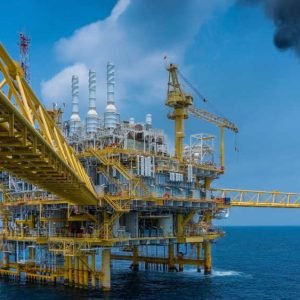



Hydroprocessing Technologies for Maximum Refinery Efficiency
Overview
The *Hydroprocessing Technologies for Maximum Refinery Efficiency* program delivers a comprehensive and practical understanding of **hydrotreating** and **hydrocracking** technologies essential for modern petroleum refining. This course equips refinery engineers, operations leaders, and technical professionals with the skills to optimize product yields, meet stringent environmental specifications, and enhance overall refinery profitability.
Participants will explore process chemistry, catalyst selection, reactor design, operational variables, hydrogen management, and troubleshooting strategies — all critical to achieving high-performance hydroprocessing operations.
Course Objectives
By the end of this program, participants will be able to:
* Understand the fundamentals and chemistry of hydrotreating and hydrocracking processes.
* Apply process variables and catalyst strategies for maximum product yield and quality.
* Optimize naphtha, diesel, and jet fuel production to meet environmental and market requirements.
* Design and troubleshoot hydroprocessing units for improved reliability and performance.
* Integrate hydrogen production and purification into refinery operations.
* Recognize commercial, economic, and safety considerations in hydroprocessing plant management.
Programme Outline
**Day 1 – Fundamentals of Hydroprocessing***
Refining trends, product specifications, and environmental concerns
* Overview of hydrotreating processes, yields, and configurations
* Hydrotreating reactions and process principles
* Sulfur, nitrogen, and oxygen removal chemistry
* Catalyst types, olefin and aromatics saturation
* Coke formation and catalyst deactivation
* Mild hydrocracking and residue chemistry
**Day 2 – Naphtha Pretreating & Operating Variables**
* Naphtha pretreating process variables and feedstock effects
* Commercial flow schemes and reformer integration
* Feed properties and operating variable effects
* Hydrotreating as FCC feed pretreatment
* Process economics and performance considerations
**Day 3 – Diesel & Jet Fuel Hydroprocessing**
* Market trends and quality requirements
* Yield and quality impacts of feed and process conditions
* Cut point optimization
* Cetane, cloud point, and pour point improvements
* Catalyst presulfiding, deactivation, and regeneration
* Process and mechanical design considerations
**Day 4 – Commercial Hydrocracking Technologies**
* Hydrocracking feedstock types and pretreatment
* Reaction mechanisms and heat effects
* Process configurations and reactor design
* Catalyst selection and management
* Product yields and property optimization
**Day 5 – Mechanical Considerations, Troubleshooting & Hydrogen Management**
* Hydroprocessing unit design principles and common problem areas
* Safety issues and reliability practices
* Hydrogen production via steam reforming
* Hydrogen purification methods
* Troubleshooting operational issues and extending catalyst life
Who Should Attend
* Refinery Process Engineers and Operations Supervisors
* Plant Managers and Technical Directors
* Catalyst and Process Technology Specialists
* HSE Managers for Hydroprocessing Units
* Project Engineers involved in refinery upgrades
* Technical Consultants in the Oil & Gas Sector
Certification
Participants will receive the **KELeaders Certificate in Hydroprocessing Technologies for Maximum Refinery Efficiency**, demonstrating expertise in optimizing hydrocracking and hydrotreating operations for superior refinery output and compliance.
Enquiries & Registration
Enquiry at : admin@keleaders.com
Whatsapp: 0044 790 125 9494
For more details visit our website : www.keleaders.com