



Every business faces multiple risks every single day. But managing them one by one is no longer enough.
Composite Risk Assessment gives organizations the ability to see the full picture. It combines financial, operational, safety, reputational, and strategic risks into one clear view. This approach helps leaders make faster, smarter, and safer decisions.
At KELeaders, we train professionals across the UK, Europe, and the Middle East to master this powerful method. In this complete guide, you will learn the key concepts, real benefits, step-by-step process, and practical implementation strategies used by top organizations in 2026.
What is Composite Risk Assessment?
Composite Risk Assessment is a modern risk management approach that evaluates multiple risks together instead of in isolation. It understands how different risks interact and amplify each other.
Let’s say your company faces supply chain delays. This creates financial losses. Those losses affect staff morale. Low morale hurts service quality. One risk creates a chain reaction.
This assessment method was first used by the US Army. They needed a way to make quick, safe decisions. Today, businesses across all sectors use it.
Composite Risk Assessment vs Traditional Risk Assessment
| Aspect | Traditional Risk Assessment | Composite Risk Assessment |
| Approach | One risk at a time | Multiple risks together |
| Risk Interaction | Ignored | Fully analyzed |
| Decision Quality | Limited | Significantly better |
| Resource Efficiency | Low | High |
| Best For | Simple operations | Complex, high-stake environments |
Why Traditional Risk Methods Fall Short
Old methods check risks one by one. This misses the connections between threats. A small problem in one area can explode into a major crisis.
Modern businesses need a better way. They need to see patterns. They need to understand how risks multiply.
Key Components of Composite Risk Assessment
Understanding the building blocks helps you apply this method correctly.
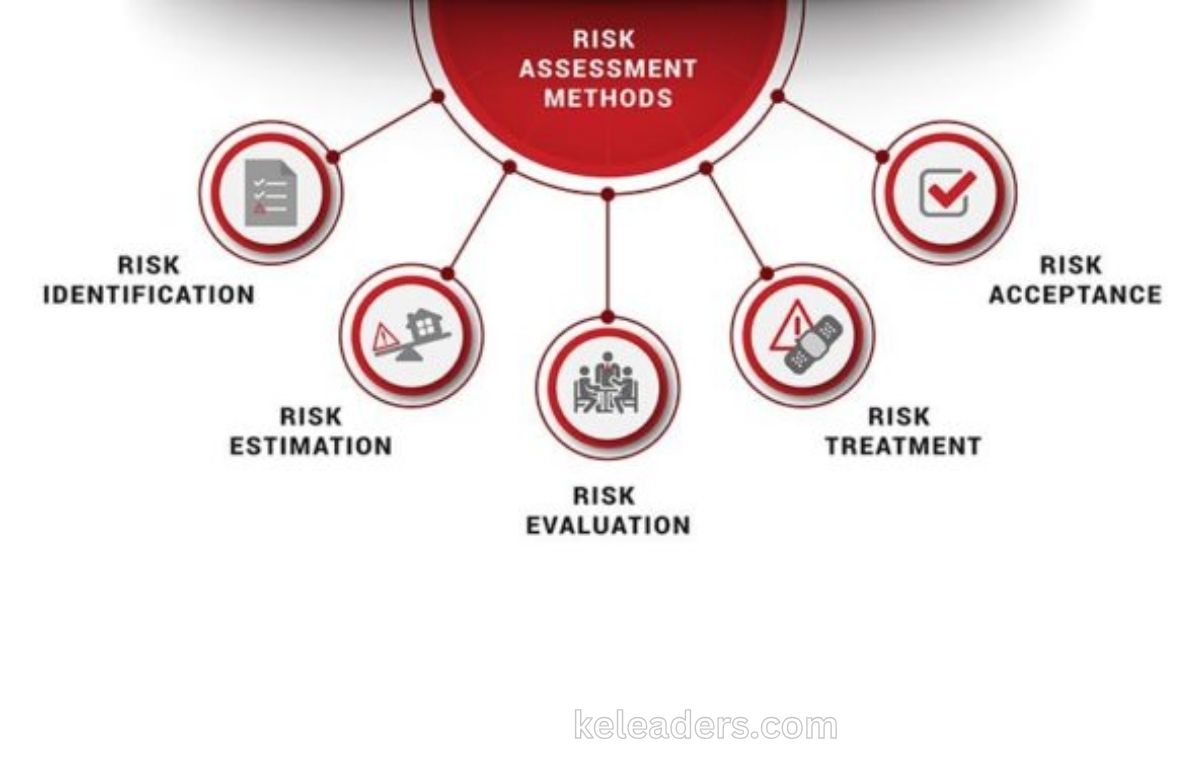
Risk Identification
Start by finding all possible threats. Look at your operations from every angle. Include your team in this process.
Consider these areas:
- Equipment failures
- Weather conditions
- Process breakdowns
- Staff shortages
The more thorough your identification, the better your protection.
Risk Evaluation
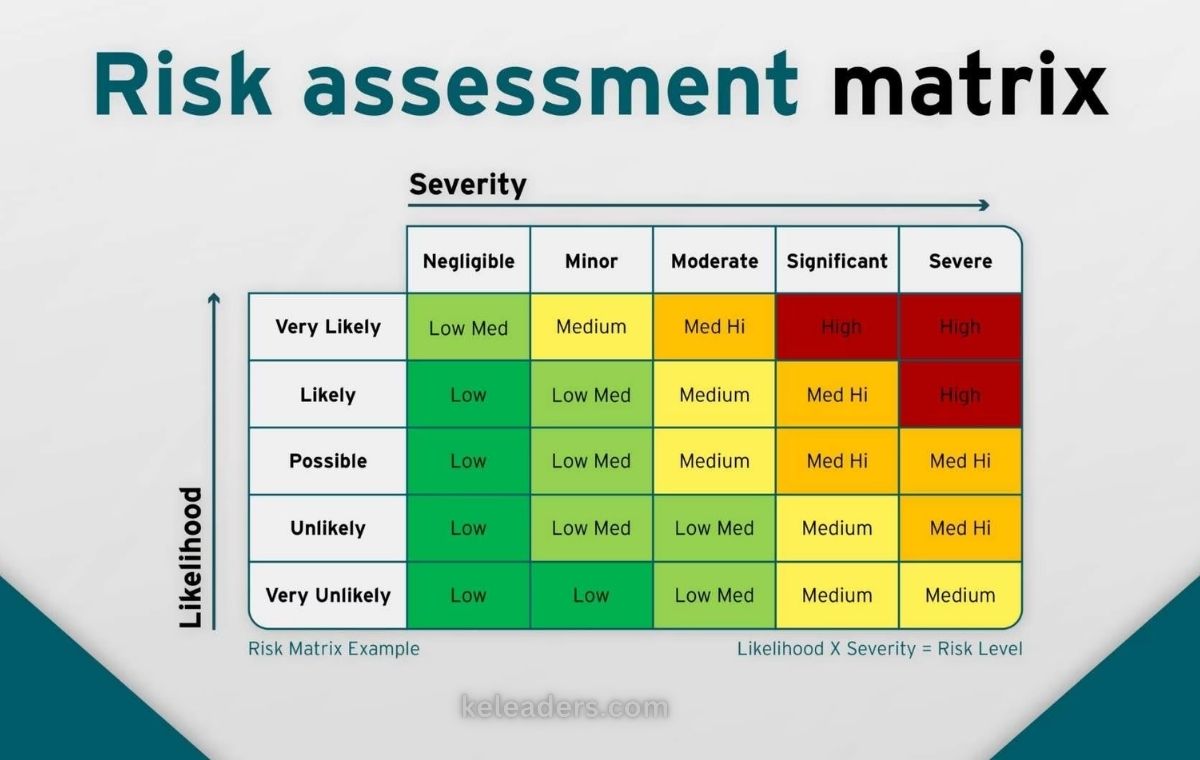
Once you know the threats, measure them. How likely are they to happen? What damage would they cause?
Use a risk matrix to sort priorities. This shows which risks need immediate attention. It helps allocate resources wisely.
Risk Mitigation
Create plans to reduce or eliminate dangers. Some risks can be avoided entirely. Others need control measures.
Your mitigation plans should be practical. They should fit your budget. They should be easy for your team to follow.
The 5-Step Composite Risk Assessment Process
Implementing Composite Risk Assessment becomes much easier when you follow a clear, structured process. Here is a practical 5-step framework that leading organizations use successfully in 2026.
Step 1: Spot the Risks (Risk Identification)
Start by gathering a cross-functional team from different departments. Hold brainstorming workshops where everyone can speak openly about potential threats.
Practical Tips:
- Use checklists for common risk categories: financial, operational, safety, reputational, legal, and strategic.
- Review past incidents, near-misses, and audit reports.
- Talk to frontline staff — they often see risks that management misses.
- Consider both internal risks (process failures, staff turnover) and external risks (supply chain disruption, regulatory changes, cyber threats).
Pro Tip: Document everything in a shared digital tool. The more comprehensive your risk list, the stronger your assessment becomes.
Step 2: Assess the Risks (Risk Analysis & Evaluation)
Now measure each identified risk. Ask two key questions: “How likely is this to happen?” and “How severe would the impact be?”
Practical Tips:
- Use a 5×5 risk matrix (Likelihood × Impact).
- Assign scores from 1 to 5 for both likelihood and consequence.
- Calculate a risk score for each threat.
- Prioritise risks that have both high likelihood and high impact.
This step helps you focus your time and budget on the risks that truly matter.
Step 3: Develop Controls (Risk Mitigation Planning)
Create specific, actionable plans to reduce or eliminate priority risks.
Practical Tips:
- For each high-risk item, define prevention measures, detection controls, and response plans.
- Consider the four main strategies: Avoid, Mitigate, Transfer (insurance), or Accept.
- Make sure controls are realistic and affordable for your organisation.
- Involve the people who will actually implement these controls — they provide the best feedback.
Step 4: Implement Controls
Turn your plans into action. This is where many organisations fail — they create great plans but never execute them properly.
Practical Tips:
- Assign clear owners and deadlines for each control.
- Communicate the new processes across the entire organisation.
- Provide necessary training and resources.
- Start with a pilot programme on one department before full rollout.
Step 5: Monitor and Review
Risk management is not a one-time activity. It requires continuous attention.
Practical Tips:
- Schedule regular reviews (monthly for high-risk areas, quarterly for others).
- Track key performance indicators (KPIs) related to your controls.
- Conduct surprise audits and scenario testing.
- Update your risk register whenever new risks appear or existing ones change.
Following these five steps consistently turns Composite Risk Assessment from a theoretical exercise into a powerful competitive advantage.
Key Benefits of Composite Risk Assessment
Organizations that adopt Composite Risk Assessment gain significant advantages over those using traditional methods. Here are the most important benefits:
- Better Decision Making — Leaders see the full picture instead of isolated risks, leading to more informed and balanced choices.
- Cost Savings — Early identification and mitigation prevent expensive incidents. Organizations using integrated risk approaches can reduce incidents by up to 40% (Source: Deloitte Risk Management Survey).
- Improved Safety & Compliance — A holistic view helps protect employees and ensures better regulatory compliance, reducing legal exposure.
- Resource Optimization — You focus budget and effort on the risks that matter most instead of spreading resources too thin.
- Enhanced Organizational Resilience — Companies become better prepared for unexpected events and recover faster when crises occur.
- Increased Stakeholder Confidence — Investors, clients, and regulators trust organizations that demonstrate mature risk management practices.
Real-World Case Studies
Construction Industry (Major Infrastructure Project – UK)
A large construction company working on a major London project faced multiple interconnected risks: supply chain delays, weather disruptions, and skilled labour shortages.
By implementing Composite Risk Assessment, they identified how a supply delay could trigger cost overruns and safety issues due to rushed work. They created integrated contingency plans and successfully completed the project 3 weeks ahead of schedule while maintaining an excellent safety record.
Healthcare Sector (Hospital Group – Saudi Arabia)
A hospital network struggled with patient safety, equipment failure, and staff burnout. Using Composite Risk Assessment, they discovered how staff shortages increased medical errors and equipment stress.
They introduced better rostering systems, predictive maintenance, and cross-training programmes. Within 18 months, they reduced medical incidents by 35% and improved staff satisfaction scores significantly.
Oil & Gas Industry (Middle East Operation)
An energy company faced risks from cyber threats, regulatory changes, and operational safety. Traditional methods treated these separately.
After adopting Composite Risk Assessment, they built an integrated dashboard showing how a cyber breach could impact safety systems and regulatory compliance. This proactive approach helped them prevent a potentially major incident and maintain smooth operations during a period of regulatory tightening.
Getting Started with Risk Assessment
Ready to implement this in your organization? Here’s what you need.
Build Your Team
Include people from different departments. Diverse viewpoints catch more risks. Assign clear roles and responsibilities.
Use the Right Tools
A composite risk management template simplifies the process. It ensures consistency across assessments. Templates also speed up training for new team members.
Digital tools help track risks over time. They generate reports automatically. This saves hours of manual work.
Invest in Training
Your team needs proper skills. Look for composite risk management courses that fit your industry. Quality training pays for itself quickly.
Consider both online and in-person options. Choose programs that include practical exercises. Theory alone isn’t enough.
Best Tools and Templates for Composite Risk Assessment
Here are some of the most popular and effective tools used by professionals in 2026:
| Tool / Software | Best For | Pros | Cons | Pricing Model |
| RiskWatch | Enterprise-level | Comprehensive, great reporting | Steep learning curve | Subscription |
| LogicManager | Integrated GRC | Strong automation | Can be expensive | Annual License |
| Resolver | Mid-size companies | User-friendly interface | Limited customization | Per User/Month |
| @RISK (Palisade) | Quantitative analysis | Excellent for statistical modelling | Requires statistical knowledge | One-time + Maintenance |
| Excel + Custom Templates | Small teams / Beginners | Free, flexible | Manual and time-consuming | Free |
| SafetyCulture (iAuditor) | Operational + Safety Risks | Mobile-friendly, great for field | Less strong on financial risks | Subscription |
Recommendation: Start with Excel templates if you are new to the process. Move to dedicated software like LogicManager or Resolver once your programme matures.
Common Challenges and Solutions
Every organization faces obstacles when implementing new systems.
Resistance to Change
Some staff may resist new procedures. They’re comfortable with old ways. Address this through clear communication.
Show the benefits early. Share success stories. Involve resisters in the planning process.
Resource Constraints
Limited budgets can slow implementation. Start small if needed. Focus on high-priority risks first.
Scale up gradually as you see results. Build momentum over time.
Complexity Overload
Too many details confuse teams. Keep your system simple. Use clear language. Avoid jargon where possible.
Regular training sessions keep everyone aligned. Short, focused meetings work better than long seminars.
Understanding Composite Risk Management Meaning
The core meaning goes beyond simple checklists. It’s about creating a culture of awareness. Everyone in the organization thinks about risks proactively.
This mindset prevents problems before they start. It turns risk management into a competitive advantage. Companies that do this well outperform their competitors.
Transform Your Risk Management Approach with Knowledge and Education Leaders
Looking to master these critical skills? Knowledge and Education Leaders offers expert training programs designed for modern professionals.
Our Contract Risk Management and Compliance course provides hands-on experience with risk frameworks. You’ll learn to identify, assess, and mitigate complex risks effectively.
For broader leadership skills, explore our Effective Business Risk Management Strategies program. This intensive training covers enterprise-wide risk management approaches.
We also offer the Leadership and Decision-Making in Crisis and Emergency Situations course. Perfect for leaders who need to make critical decisions under pressure.
All our programs combine theoretical knowledge with practical application. You’ll work through real-world scenarios. You’ll learn from experienced instructors who understand industry challenges.
Training locations include London, Paris, Madrid, Rome, and Dubai. Choose the venue that works best for your schedule.
Frequently Asked Questions About Composite Risk Assessment
What is the difference between Composite Risk Assessment and traditional risk assessment?
Traditional risk assessment usually looks at risks one by one in isolation. Composite Risk Assessment, on the other hand, examines multiple risks together and analyses how they interact with each other.
For example, a delay in supply chain (operational risk) can increase financial pressure and force staff to work longer hours (safety and morale risk). Composite Risk Assessment helps you see these connections and their combined impact, leading to better decision-making and more effective risk controls.
Why is Composite Risk Assessment important for businesses in 2026?
In today’s complex business environment, risks rarely occur alone. Economic uncertainty, cyber threats, supply chain issues, and regulatory changes often happen at the same time.
Composite Risk Assessment allows organizations to understand the full picture, prioritise effectively, and reduce the chance of major incidents. Companies using integrated risk approaches report up to 40% fewer incidents and better resilience during crises.
What are the main steps in Composite Risk Assessment?
The process typically follows five key steps:
- Identify all potential risks across departments.
- Assess the likelihood and impact of each risk.
- Develop appropriate control measures.
- Implement the controls with clear ownership.
- Monitor, review, and update the assessment regularly.
This structured approach ensures nothing important is missed and helps organisations stay proactive.
Which industries benefit most from Composite Risk Assessment?
Industries with complex operations benefit the most, including:
- Construction and Infrastructure
- Oil & Gas / Energy
- Healthcare and Hospitals
- Manufacturing
- Finance and Banking
- Logistics and Supply Chain
These sectors face multiple interconnected risks daily. Composite Risk Assessment helps them improve safety, reduce costs, and maintain operational continuity.
What tools are best for conducting Composite Risk Assessment?
Popular tools include LogicManager, Resolver, RiskWatch, and SafetyCulture (iAuditor). For smaller organisations, well-designed Excel templates work very well as a starting point.
The best tool depends on your company size and complexity. Start simple and scale up as your risk management programme matures.
How often should Composite Risk Assessment be updated?
You should review your Composite Risk Assessment at least quarterly. However, high-risk industries or fast-changing environments may need monthly reviews.
Always update your assessment after major changes such as new projects, regulatory updates, organisational restructuring, or after any significant incident.
Can small businesses use Composite Risk Assessment effectively?
Yes, absolutely. Small businesses can start with a simple Excel-based approach and gradually build more sophisticated processes.
Even a basic Composite Risk Assessment helps small organisations identify hidden risks, protect their limited resources, and make smarter decisions. Many small companies that implement it properly see significant improvements in safety and financial performance.
Moving Forward
Composite Risk Assessment is no longer optional for serious organizations. It is the standard for effective, modern risk management in 2026.
By seeing the full picture instead of isolated threats, you protect your people, save money, and make confident decisions even in uncertain times.
Ready to master Composite Risk Assessment and other critical management skills?
KELeaders offers practical, industry-focused training programmes in London and other major cities. Explore our Contract Risk Management and Leadership Excellence courses today.
Take the first step toward stronger risk management. Contact us for a free consultation or browse our full training catalogue.