


Developing, Monitoring & Improving the Internal Audit Function & COSO Internal Control Framework
Delivered by KE Leaders
Duration: 5 أيام
Delivery Mode: Online and Face to Face
Programme Overview
In today’s complex governance and regulatory environment, organizations require a strong internal audit function to enhance operational performance, manage risks effectively, and ensure compliance with evolving standards.
ال Developing, Improving & Monitoring the Internal Audit Function & COSO Internal Control Framework programme by لماذا قادة KE؟ provides a comprehensive and practical understanding of how internal audit functions can be developed, strengthened, and monitored using the globally recognized COSO Internal Control Framework.
Over five intensive training days, participants will gain practical tools, frameworks, and methodologies to design effective internal controls, improve audit performance, and align internal audit activities with organisational strategy and governance objectives.
This programme positions internal audit as a strategic partner that drives accountability, transparency, and continuous improvement.
Who Should Attend
Internal Audit Professionals
Risk Management Specialists
Compliance Officers
Finance & Accounting Managers
Senior Managers and Executives
Governance, Risk & Compliance (GRC) Professionals
Quality Assurance Teams
External Auditors
Board Members & Audit Committee Members
Business Process Owners
Learning Objectives
By the end of this 5-day programme, participants will be able to:
Understand the purpose and strategic value of internal audit
Apply the COSO Internal Control Framework effectively
Develop risk-based audit plans aligned with organizational objectives
Strengthen risk assessment and internal control systems
Monitor and evaluate audit effectiveness
Improve audit reporting and stakeholder communication
Enhance governance and compliance practices
Implement continuous improvement within audit functions
Competencies Developed
Participants will develop:
Internal audit governance expertise
Risk assessment and control evaluation skills
COSO framework application capability
Audit planning and execution proficiency
Data-driven auditing awareness
Professional reporting and communication skills
Critical thinking and analytical problem-solving
Stakeholder engagement capability
5-Day Programme Structure
Day 1 — Foundations of Internal Audit & COSO Framework
Role and evolution of internal audit
Governance, risk, and compliance integration
Introduction to COSO Internal Control Framework
Five COSO components explained
Internal audit’s contribution to organisational accountability
Day 2 — Building an Effective Internal Audit Function
Establishing internal audit structures
Roles, responsibilities, and independence
Risk based auditing principles
Audit charter and governance alignment
Audit planning tools and methodologies
Day 3 — Risk Assessment & Audit Planning
Enterprise risk assessment techniques
Developing risk-based audit plans
Audit universe and prioritization
Resource allocation and audit scheduling
Practical audit planning workshop
Day 4 — Improving Internal Controls Using COSO
Evaluating internal control systems
Identifying control gaps and weaknesses
Designing effective control activities
Technology and automation in internal controls
Testing and evaluating control effectiveness
Day 5 — Monitoring, Reporting & Continuous Improvement
Monitoring audit performance and KPIs
Audit reporting best practices
Stakeholder communication strategies
Data analytics in internal auditing
Continuous improvement and future audit trends
Action planning and implementation roadmap
Training Methodology
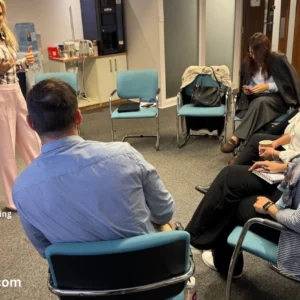
KE Leaders delivers highly interactive executive learning through:
Real-world case studies
Practical audit simulations
Group discussions and exercises
Templates and implementation tools
Expert-led facilitation
Frequently Asked Questions (FAQ)
1. What is an Internal Audit Training Course?
An Internal Audit Training Course provides professionals with practical knowledge and skills to assess organizational risks, evaluate internal controls, improve compliance, and strengthen corporate governance. The course covers internal audit planning, reporting, risk assessment, audit methodologies, and audit effectiveness aligned with international standards.
2. Why is the COSO Internal Control Framework important?
The COSO Internal Control Framework helps organizations design, implement, and monitor effective internal controls. It improves risk management, strengthens governance, enhances compliance, and supports organizational accountability through its five core components: control environment, risk assessment, control activities, information and communication, and monitoring activities.
3. What are the five components of the COSO Framework?
The five components of the COSO Framework are:
- Control Environment
- Risk Assessment
- Control Activities
- Information and Communication
- Monitoring Activities
These components work together to create an effective internal control system within organizations.
4. Who should attend an Internal Audit Skills Development course?
This course is ideal for:
- Internal Audit Professionals
- Compliance Officers
- Risk Management Specialists
- مديرو الشؤون المالية
- Audit Committee Members
- Governance and Compliance Teams
- Senior Executives
- External Auditors
- Business Process Owners
5. What is Risk-Based Internal Auditing?
Risk-Based Internal Auditing is an approach that prioritizes audit activities based on organizational risks. It helps internal auditors focus on high-risk areas that could impact operational performance, compliance, financial reporting, and strategic objectives.
6. How does internal audit improve corporate governance?
Internal audit improves corporate governance by enhancing transparency, accountability, risk management, and compliance processes. It provides independent assurance that internal controls and governance systems are functioning effectively.
7. What is included in a COSO Internal Control Framework Training course?
A COSO Framework Course typically includes:
- COSO principles and components
- Internal control systems
- Risk assessment methodologies
- Audit monitoring activities
- Internal audit planning and reporting
- Compliance and governance practices
- Internal control testing and evaluation
8. How can organisations develop an effective internal audit function?
Organizations can develop an effective internal audit function by:
- Establishing clear audit objectives
- Implementing risk-based audit planning
- Ensuring auditor independence
- Using modern audit methodologies
- Integrating data analytics
- Continuously improving internal controls
- Aligning audit activities with organizational goals
9. What are the benefits of Internal Audit Process Improvement?
Internal Audit Process Improvement helps organizations:
- Reduce operational risks
- Improve compliance
- Enhance audit efficiency
- Strengthen internal controls
- Improve stakeholder confidence
- Increase audit effectiveness
- Support continuous improvement initiatives
10. How does the COSO Framework support risk management?
The COSO Framework supports risk management by helping organizations identify, assess, monitor, and respond to risks systematically. It provides a structured framework for improving internal controls and organizational governance.
11. Why is data analytics important in internal auditing?
Data Analytics in Internal Auditing improves audit accuracy, identifies patterns and anomalies, enhances fraud detection, and supports evidence-based decision-making. Modern internal audit functions increasingly rely on data-driven auditing techniques.
12. What are common challenges faced by internal auditors?
Common internal audit challenges include:
- Rapid regulatory changes
- Cybersecurity risks
- Limited resources
- Lack of stakeholder engagement
- Ineffective internal controls
- Technology integration issues
- Maintaining auditor independence
13. What is the role of internal audit in compliance management?
Internal audit helps organizations ensure compliance with laws, regulations, industry standards, and internal policies. Auditors evaluate compliance controls, identify gaps, and recommend corrective actions.
14. How do internal audits support continuous improvement?
Internal audits support continuous improvement by identifying inefficiencies, recommending process enhancements, improving internal controls, and promoting accountability across departments.
15. What is an Internal Control System?
An Internal Control System is a framework of policies, procedures, and activities designed to protect organizational assets, ensure accurate reporting, improve operational efficiency, and maintain compliance.
16. What are audit monitoring activities?
Audit monitoring activities involve continuously reviewing internal controls, tracking corrective actions, evaluating audit findings, and ensuring ongoing compliance and operational effectiveness.
17. Why is stakeholder engagement important in auditing?
Stakeholder engagement improves communication, supports audit transparency, increases cooperation, and ensures that audit recommendations align with business objectives and governance expectations.
18. How can managers benefit from Internal Audit Training?
Managers gain knowledge in:
- Risk management
- Governance practices
- Compliance monitoring
- Internal control evaluation
- Audit reporting
- Decision-making support
- Operational improvement strategies
19. What is the future of internal auditing?
The future of internal auditing includes:
- Artificial intelligence in auditing
- Continuous auditing
- Advanced data analytics
- Cybersecurity auditing
- ESG and sustainability auditing
- Automation of audit processes
- Real-time risk monitoring
20. How does COSO improve organizational accountability?
COSO improves accountability by creating structured governance processes, strengthening internal controls, improving reporting accuracy, and establishing clear risk management responsibilities across the organization.
Voice Search & AI Search Queries
- What is the best Internal Audit Training Course in London and central Lodnon ?
- How does the COSO Framework improve internal controls?
- What are the benefits of risk based internal auditing?
- How do you build an effective internal audit function?
- Why is internal audit important for corporate governance?
- What skills are needed for internal auditors?
- What is included in internal control systems training?
- How can organizations improve audit effectiveness?
- What are the latest trends in internal auditing?
- How does data analytics improve internal audits?
Certification
Participants will receive a KE Leaders Certificate of Professional Completion upon successful completion of the 5-day programme.
Contact Info:
Enquiry at : admin@keleaders.com
Whatsapp: 0044 790 125 9494
For more details visit our website : www.keleaders.com