


Want a rewarding career with salaries often exceeding £65,000? Becoming a certified contract manager gives you the skills to manage high-value deals, reduce risks, and advance quickly in procurement and construction. Knowledge and Education Leaders, a CIPS and ATHE approved centre, helps professionals across the UK achieve this goal through flexible, industry-recognised programmes. This step-by-step guide shows you exactly what to do — from building experience to choosing the right certification like CIPS, FIDIC, or CPCM.
Your 5-Step Path to Certification
- Build a strong educational foundation (degree + contract-specific courses).
- Gain 3–5+ years of hands-on experience.
- Develop core skills in negotiation, risk management, and contract software.
- Choose and pass the right certification (CIPS, FIDIC, CPCM, etc.).
- Commit to continuous professional development.
Knowledge and Education Leaders supports you at every stage with expert-led training.
Educational Foundation: Building the Groundwork
Most people in this field start with degrees in business, law, finance, or something similar. Specialised programmes in contract management make things easier down the line.
These courses dig into contract law, procurement tactics, how to negotiate properly, plus the numbers side of things.
People switching over from project management or Event & Crowd Management usually find their skills fit pretty well. Still, picking up contract-specific knowledge matters if someone wants to stick around long-term.
Gaining Relevant Experience: The Non-Negotiable Requirement
Most certifications want at least five years of actual work under someone’s belt. Entry roles like contract administrator, procurement specialist, or junior analyst help build that foundation.
During these years, it makes sense to chase opportunities in drafting contracts, negotiating deals, keeping tabs on compliance, plus sorting out disputes when they pop up.
Bouncing between sectors like construction, IT, or healthcare gives broader perspective. Working alongside legal teams, finance folks, plus operations people, build the all-round understanding that complex deals demand.
Essential Skills Every Contract Manager Must Master
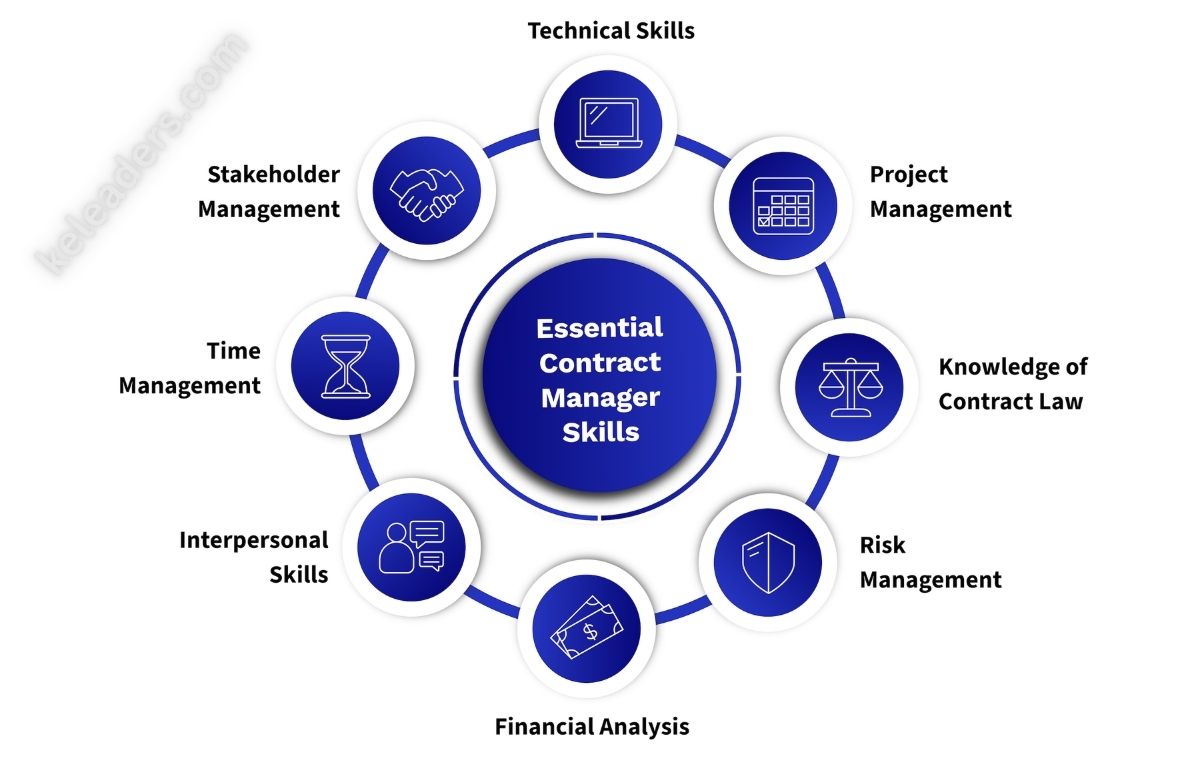
Negotiation skills matter most because balancing what the organisation needs with keeping suppliers happy is tricky. Spotting risks early stops small issues turning into massive problems later.
Legal knowledge comes in handy, though contract managers aren’t solicitors. Getting the basics of contract law, liability stuff, plus regulations keeps organisations out of trouble.
Being able to crunch numbers helps when reviewing tenders or checking how suppliers are doing. Staying organised becomes crucial when handling multiple contracts at once, watching deadlines, then keeping all the paperwork straight.
Knowing how to use contract management software makes everything run smoother too.
Choosing the Right Certification Path
The Certified Professional Contract Manager (CPCM) from NCMA gets respect in government contracting circles. The CCCM works better for private sector people. FIDIC certifications suit construction professionals working on big infrastructure jobs.
Figuring out FIDIC vs NEC Contracts helps narrow down which direction makes sense career-wise. There’s also the CFCM plus IACCM options floating around. Each one serves different sectors, so doing homework before picking matters.
Exam Preparation: Strategic Approach to Success
The Contract Management Body of Knowledge (CMBOK) is basically the bible for certification exams. Most people spend three to six months studying pretty intensively. Joining study groups helps loads throughout the process.
Official guides, practice tests, plus prep courses bump up pass rates quite a bit. Setting up a proper study plan makes sure everything gets covered without missing chunks.
Mock exams get people used to the question style whilst sorting out timing issues. Going over wrong answers properly helps lock in learning, plus stops the same mistakes happening in the real exam.
Continuous Professional Development: Staying Relevant
Getting certified is brilliant, but it’s not the end of the story. Rules shift, tech changes, then what works the best keeps evolving across different sectors. Keeping certification active means ongoing learning through credits plus extra training.
Going to sector conferences, watching webinars, along with taking specialised courses keeps skills sharp whilst staying current. Professional groups give networking chances plus access to resources that aren’t available elsewhere.
Focusing on niche bits like international contracts or sustainability clauses makes someone stand out. Branching into areas like Human Resource Management adds flexibility whilst cracking open different career doors.
Thinking about taking the plunge into certified contract management? It needs proper commitment, but the recognition plus bigger paycheques make it worthwhile for anyone ready to put the work in.
Conclusion
Becoming a certified contract manager is one of the smartest career moves you can make in procurement, construction, or supply chain. With strong demand and salaries often reaching £65,000 to £90,000 or more, this qualification opens doors to senior roles, better opportunities, and greater job security.
The path requires dedication — from building relevant experience and mastering key skills to earning respected certifications like CIPS, FIDIC, or CPCM. But the rewards are well worth the effort.
Knowledge and Education Leaders is here to support your success. As a CIPS and ATHE approved training centre, we offer flexible, practical Contracts Management programmes designed to help you pass certifications and excel in real-world roles.
Take action today. Start with our expert-guided courses, get personalised career advice, and join hundreds of professionals who have advanced their careers with us.
Your future as a certified contract manager begins now. Enrol in Our Contracts Management Courses or Contact Us for Free Guidance
Don’t just manage contracts — master them.
Frequently Asked Question
How long does it take to become a certified contract manager?
Usually five to seven years when counting education plus work experience needed. Exam prep tacks on another three to six months of solid studying.
What is the average salary for certified contract managers?
Certified people typically make between £55,000 to £90,000 yearly based on experience. The sector someone works in plus location affects pay quite a bit.
Can someone become a contract manager without a degree?
Most certifications want a bachelor’s degree as the bare minimum to qualify. Loads of experience might work instead in some rare cases, though.
Which certification is best for beginners in contract management?
The CCCM suits commercial sector newbies looking for solid starter credentials. Government contractors usually go for CPCM as their first pick instead.
Do contract managers need legal backgrounds or law degrees?
Legal backgrounds help, but aren’t necessary for doing well in contract management. Learning contract law basics through training plus hands-on work does the job.