



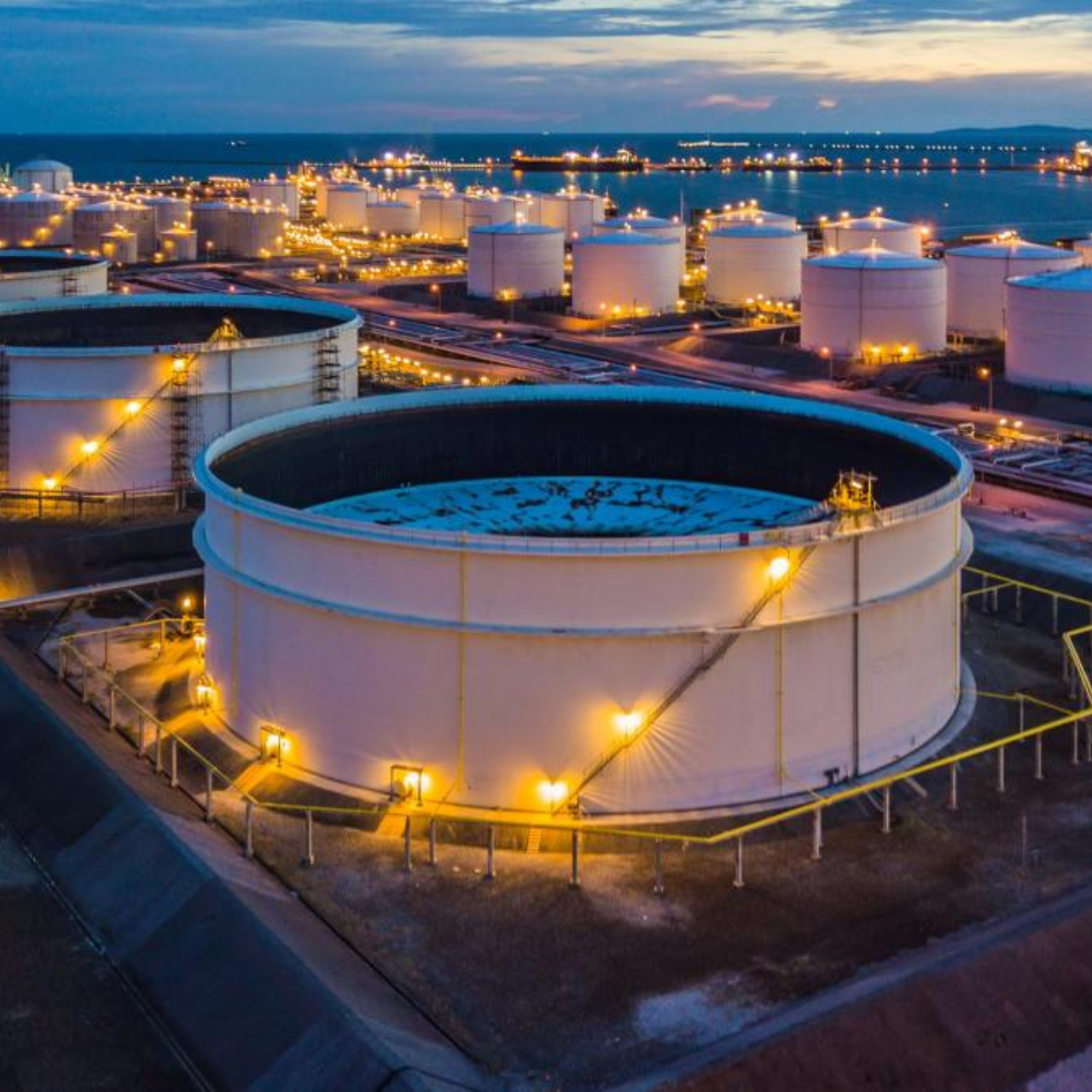
Strategies for Marine Pollution Control
Introduction
Marine pollution prevention has become a **serious global responsibility** for everyone engaged in the maritime and offshore industries. From offshore and onshore energy production sectors to shipping personnel and transport companies, all stakeholders are accountable for **protecting the marine environment**.
This programme provides participants with **comprehensive knowledge and updated insights** into the sources, consequences, and prevention strategies of marine pollution. Delegates will explore **best practices for pollution clean-up, emergency response measures, and compliance with international regulations**, while also understanding the **legal consequences and liabilities** of non-compliance.
Who Should Attend
This programme is designed for:
* Maritime and offshore industry professionals
* Environmental compliance officers
* Port and shipping managers
* Marine engineers and pollution control officers
* Risk, safety, and emergency response professionals
* Regulators and policymakers in marine and environmental protection
* Anyone involved in the management of marine pollution prevention and response
Objectives
By the end of this course, participants will be able to:
* Understand the **various aspects and impacts** of marine pollution.
* Develop familiarity with **international regulations and compliance frameworks**.
* Apply technologies and **strategies for marine pollution prevention**.
* Plan and implement **risk reduction and emergency response measures**.
* Evaluate **legal responsibilities, liabilities, and insurance frameworks** related to marine pollution.
Programme Modules
Day One – Marine Pollution Fundamentals
* Defining marine pollution: types and environmental impacts
* Oil pollution and consequences of oil spills
* Heavy metals and associated hazards
* Wastes: solid garbage and liquid sewage
* Pollution risks from ships: incidents and assessments
* Economic losses from marine pollution
Day Two – Ballast Water and Marine Pollutants
* Environmental threats from ballast water
* International Maritime Dangerous Goods (IMDG) regulations
* Dumping of ship wastes and hazardous materials
* Bilge water and waste oil operational management
* Ship scrapping and recycling challenges
* Waste management best practices
Day Three – Surveillance and Monitoring Systems
* International bodies: IMO, MEPC, MARPOL frameworks
* Objectives of marine resource surveillance
* Planning survey considerations: sites, stations, and samples
* Statistical requirements and sampling standards
* Analysis tools and monitoring techniques
* Ensuring compatibility of survey methodologies
Day Four – Pollution Management Systems
* ISO 14000 series and environmental management frameworks
* Contingency planning and emergency response strategies
* Preparedness for marine pollution incidents
* Clean-up technologies and intervention methods
* Port reception facilities as per IMO standards
* Human element: training, skills, and certification requirements
Day Five – Legal Issues, Liability & Insurance
* Criminal liability: crew, ship owners, and charterers
* Accident investigations and survey procedures
* Claims under the International Oil Pollution Compensation (IOPC) Funds
* UNCLOS provisions and compliance obligations
* STOPIA and TOPIA agreements explained
* Case studies on liability, enforcement, and insurance
Enquiries and Registration
Enquiry at : admin@keleaders.com
Whatsapp: 0044 790 125 9494
For more details visit our website : www.keleaders.com