



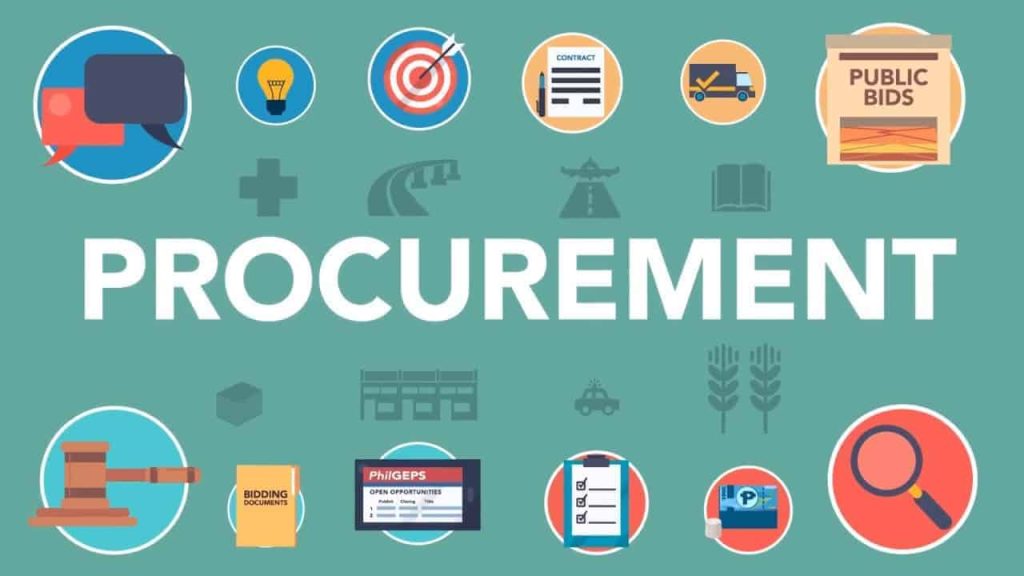
Procurement has always been at the heart of business performance. From raw materials and logistics to services and infrastructure, the way organizations purchase directly determines their efficiency, transparency, and profitability.
But the world of procurement is no longer driven by paperwork, manual approvals, and endless vendor calls. A digital revolution is reshaping every stage of the buying process — transforming how organizations source, negotiate, evaluate, and pay.
This is the age of E-Procurement: where technology turns purchasing into a strategic, data-driven, and transparent function.
1. What Is E-Procurement?
E-Procurement, or Electronic Procurement, refers to the use of digital platforms, software, and networks to manage all stages of purchasing — from requisition to payment.
It goes beyond just online buying. It integrates technology into every layer of the supply chain:
• E-Sourcing: Finding and qualifying suppliers online
• E-Tendering: Issuing and receiving bids digitally
• E-Evaluation: Comparing offers automatically
• E-Ordering and E-Invoicing: Managing purchases and payments electronically
In short, E-Procurement digitizes the traditional procurement cycle — making it faster, smarter, and more accountable.
> Definition Simplified:
> E-Procurement means “procurement powered by data and connectivity.”
2. Why E-Procurement Matters Today
Global supply chains are more complex than ever. Organizations face constant pressure to cut costs while maintaining transparency and compliance.
Traditional paper-based systems simply can’t cope with:
• Large volumes of data
• Cross-border transactions
• Audit requirements
• Speed expectations
E-Procurement offers the solution — providing:
• Real-time visibility into spending
• Automated compliance checks
• Faster supplier collaboration
• Data-driven decision-making
> Key Insight:
> E-Procurement is not about replacing people with software — it’s about empowering professionals with better tools.
3. The Core Components of an E-Procurement System
Modern e-procurement systems are built around interconnected modules that reflect the entire procurement lifecycle.
| Component | Function |
| E-Sourcing | Identify and prequalify suppliers through digital platforms. |
| E-Tendering | Conduct online RFQs (Requests for Quotation) and RFPs (Requests for Proposal). |
| E-Evaluation | Automate the comparison of technical and commercial bids. |
| E-Auction | Facilitate competitive online bidding for better pricing. |
| E-Ordering | Generate purchase orders automatically upon approval. |
| E-Invoicing & E-Payment | Handle invoicing, approvals, and payment digitally with full traceability. |
| Spend Analytics | Analyse procurement data for strategic insights and savings opportunities. |
These modules work together under a central digital ecosystem, often integrated with ERP systems like SAP, Oracle, or Microsoft Dynamics.
4. How E-Procurement Transforms the Procurement Cycle
a. Requisition to Approval
Traditional: Manual forms and multi-level paper approvals.
Digital: Automated workflows with real-time tracking and audit trails.
b. Supplier Selection
Traditional: Time-consuming phone calls and paper prequalification.
Digital: Cloud-based supplier portals with instant document uploads, certifications, and ratings.
c. Tendering and Evaluation
Traditional: Bids in sealed envelopes, delays, and human error.
Digital: Online tender platforms with automatic bid comparison and transparency logs.
d. Contracting
Traditional: Physical contracts stored in files.
Digital: E-signatures, smart templates, and digital archives.
e. Invoicing and Payment
Traditional: Paper invoices prone to loss and error.
Digital: E-invoicing integrated with payment gateways, enabling faster settlement and fewer disputes.
> Result: A procurement cycle that once took weeks now completes in days — with full visibility and auditability.
5. Key Benefits of E-Procurement
1. Transparency and Accountability
Every transaction is digitally recorded. This eliminates manipulation, favoritism, and human error — ensuring compliance with internal policies and public regulations.
2. Efficiency and Speed
Automated workflows reduce manual work, freeing procurement teams to focus on strategy rather than paperwork.
3. Cost Reduction
E-Auctions and data-driven negotiations can reduce procurement costs by 10–20%.
4. Better Supplier Relationships
Suppliers gain clear visibility on requirements, status, and feedback — strengthening collaboration.
5. Data-Driven Insights
E-Procurement platforms provide analytics dashboards that reveal spending trends, supplier performance, and saving opportunities.
> Bottom Line:
> E-Procurement turns purchasing from a back-office process into a strategic powerhouse.
6. Challenges in Implementing E-Procurement
Even the best systems can fail without proper planning and change management.
Common challenges include:
| Challenge | Description | Solution |
| Resistance to change | Staff prefer manual methods or fear job loss. | Conduct training, emphasise benefits, and create user champions. |
| Integration issues | Systems don’t align with existing ERP tools. | Choose flexible, API-enabled platforms. |
| Supplier onboarding | Vendors struggle with technology or compliance. | Offer supplier training and simplified onboarding portals. |
| Data security | Digital systems risk cyber threats | Use encryption, two-factor authentication, and regular audits. |
> Remember: Technology alone doesn’t transform procurement — people and processes do.
7. Real-World E-Procurement in Action
Case Study 1: Government E-Tendering
Many countries — including UAE, Singapore, and Pakistan — have adopted national e-tender portals to ensure transparency and fight corruption.
Results: Faster bidding, higher competition, and significant savings in public funds.
Case Study 2: Private Sector Automation
Multinational corporations like Unilever and Siemens use AI-powered procurement platforms for global sourcing.
Results: Reduced cycle times by 40%, improved supplier compliance, and better sustainability reporting.
> Lesson: E-Procurement success lies in scalability and consistency — not just software selection.
8. Emerging Technologies Driving the Next Wave
The digital transformation of procurement doesn’t stop at e-tendering. New technologies are redefining what’s possible:
| Technology | Impact on Procurement |
| Artificial Intelligence (AI) | Predicts demand, automates routine tasks, and identifies risks early. |
| Blockchain | Ensures transparent and tamper-proof supplier records and contracts. |
| Big Data Analytics | Enables predictive purchasing and trend-based supplier scoring. |
| Robotic Process Automation (RPA) | Handles repetitive tasks like invoice matching and data entry. |
| Cloud Computing | Enables remote, global access to procurement systems securely. |
> Future Insight: Procurement is shifting from a cost center to an intelligence hub powered by data and algorithms.
9. The Human Side of Digital Procurement
Technology can handle transactions, but judgment, ethics, and relationships remain human domains.
Procurement leaders must combine digital fluency with emotional intelligence — ensuring fairness, sustainability, and long-term supplier trust.
> Balance to Remember:
> Digital efficiency must coexist with human integrity.
10. Conclusion — The New Face of Procurement
E-Procurement is no longer an optional upgrade — it’s the foundation of modern supply chain governance.
It brings together speed, transparency, and strategy into one intelligent ecosystem where every purchase leaves a digital footprint of accountability.
Organizations that embrace it don’t just buy smarter — they operate smarter.
They gain control over costs, strengthen compliance, and create partnerships built on visibility rather than paperwork.
Final Thought:
> The future of procurement is not about buying cheaper — it’s about buying smarter, faster, and more transparently.
> In the age of E-Procurement, the most valuable currency is not money — it’s data.